
What Is Spinal Stenosis And How Is It Treated?
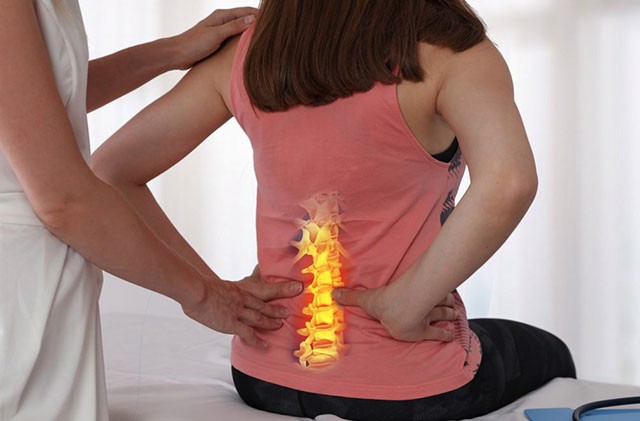
Spinal stenosis is a common orthopaedic injury that occurs most often in the lower back and the neck. Understanding what spinal stenosis is and the types of treatments available at Welcare Hospital, shall help you get back to enjoying your favourite activities pain-free.
What Is Spinal Stenosis?
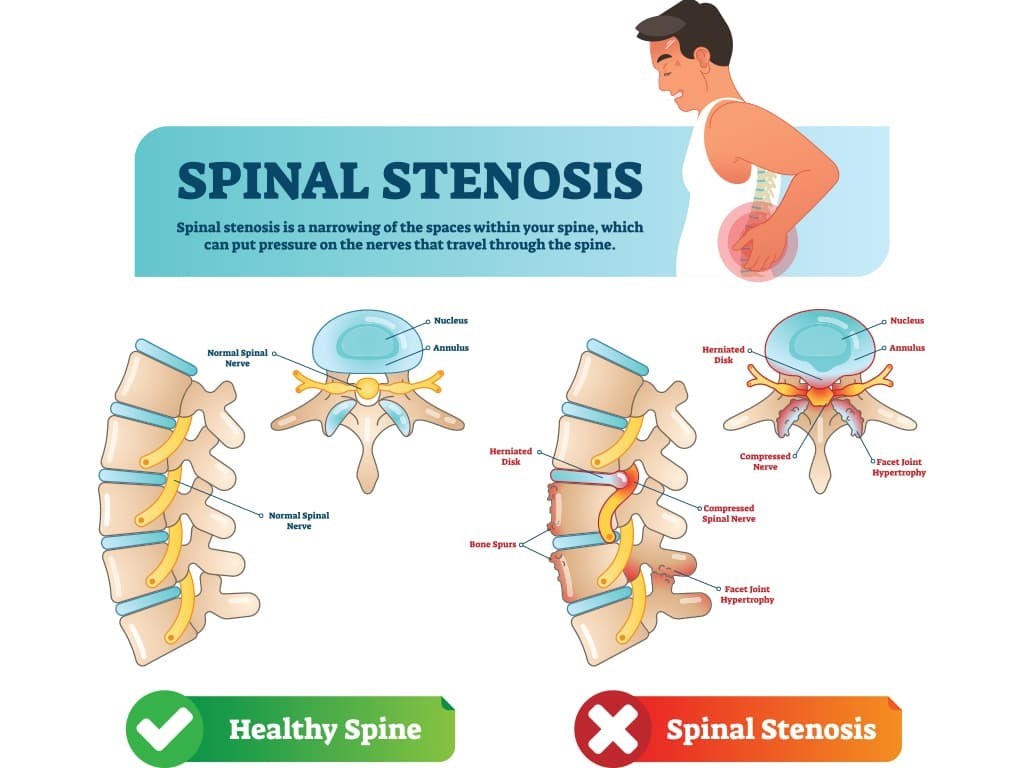
Spinal stenosis is a narrowing of the spine, which puts pressure on the nerves that travel through the spine. This can lead to pain and other problems in the lower back and neck. For most people, spinal stenosis is caused by wear-and-tear changes in the spine related to arthritis. Other causes may include spinal injuries, herniated disks, overgrowth of bone, and thickened ligaments.
The spine is made up of a series of connected bones, or vertebrae, and shock-absorbing discs. Its primary function is to protect the spinal cord, which rests in the canal formed by the vertebrae. The spinal cord is an essential part of the central nervous system because it connects the brain to the entire body.
Over time, the spinal cord may narrow, and the open spaces between the vertebrae may start to get smaller. The tightness may pinch the spinal cord or the nerves around it, causing pain, numbness, or tingling in your arms, legs, or torso.
What Are the Symptoms of Spinal Stenosis?
While not everyone has symptoms, those that do may experience stiffness, numbness, and back pain. Symptoms of spinal stenosis often begin gradually and worsen over time. They may even vary depending on the location of the stenosis:
In the neck (cervical spine)
- Numbness, weakness, or tingling in the arm, hand, foot, or leg
- Neck pain
- Problems with walking or balance (severe)
- Urinary incontinence (severe)
- In the lower back (lumbar spine)
- Numbness, weakness, or tingling in the foot or leg
- Pain or cramping in one or both legs when you stand for long periods of time
- Back pain
What Are the Treatment Options for Spinal Stenosis?
- Spinal stenosis treatments depend on the severity of the injury. In most cases, the first line of treatment consists of nonsurgical options like –
- Medication: Aspirin, ibuprofen, and pain remedies can offer short-term relief. Additionally, muscle relaxants can treat aspects of spinal stenosis including muscle spasms and damaged nerves.
- Corticosteroid injections: A steroid such as prednisolone is injected into your back or neck at the site of the pathology. While steroids reduce inflammation and pain, they are used sparingly because of the various side effects.
- Anaesthetics: A nerve block, or neural blockade, is a minimally invasive procedure in which an injection of anaesthetic medicine can block the pain experienced from specific nerves. This is usually done in combination with steroid.
- Exercise: Regular exercise can improve your balance, strength and flexibility. Your spine specialist may also recommend a physical therapist to assist you during recovery. Although one must be very careful whilst exercising with an existing spine problem. The wrong kind of exercise can worsen a patients condition rather than improve it.
- Assistive devices: Belts, braces or walkers can help you move about if you are experiencing pain in your neck or back.
If your symptoms don’t improve with nonsurgical treatments, you may be recommended minimally invasive spine surgery. The most common procedure is a laminectomy. This involves removing the bone spurs, ligaments, and vertebrae that are pressing on the nerves.
When Should You See an Orthopaedic Surgeon for Spinal Stenosis?
You should contact your doctor if you are frequently experiencing numbness, tingling, or pain in your arms, legs, feet, or hands. If left untreated, spinal stenosis could lead to significant nerve damage and prevent you from carrying out regular activities.
If you believe you have symptoms of spinal stenosis or would like to learn more about what spinal stenosis is, make an appointment today with our highly experienced doctors at Welcare Hospital, Vadodara. Welcare Hospital offers top-level orthopaedic treatment for any concerns about your spine and other joints, all in one location!